

TL;DR
📊 Benchmark Audit: Why 11 frontier LLMs failed telemetry tests and the critical framework required for SecOps that protects from AI-armed attacks.
🗓️ April 29th Webinar: Expert insights on why modern LLMs prioritize AppSec over enterprise-grade production SecOps.
🤝 Global Partnerships: Mike Kay joins Simbian to empower enterprises in scaling security infrastructure beyond human recruitment constraints.
🛠️ Winners Toolkit: A scalable, three-phase framework for engineering a proprietary autonomous threat-hunting architecture.
📣 Industry Buzz: Analysis of systemic SOC inefficiencies and five critical lessons for scaling AI-driven defensive operations.
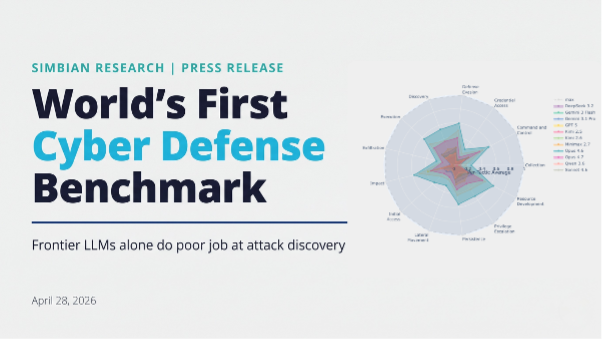
Simbian's Cyber Defense Benchmark evaluated 11 frontier models against authentic attack scenarios—utilizing live telemetry and complex attack chains rather than sanitized, controlled demonstration environments.
The result? Not a single model passed.
Cybersecurity headlines are currently fixated on the disruptive potential of Anthropic's latest model.
In practice, Anthropic automated one half of security—the left-shift side. Code scanning, patch suggestions, catching obvious vulnerabilities before they ship. That's AppSec.
Useful, but incomplete.
Your real problem isn't unvetted code in CI/CD. It's live threats in production.
Missed the event? Watch the video here to evaluate which security layers AI truly automates, alongside further strategic insights.
SecOps Isn't Broken. It's Built That Way.
Your $100M security budget vanishes into dashboards. Half your alerts are mysteries. Most organizations can't even answer: "What's the detection cost per threat?"
The reality is that SIEM platforms capitalize on telemetry volume. MDRs monetize risk aversion. The industry has adopted systemic entropy as a sustainable business model.
In his latest Forbes feature, CEO and Co-Founder Ambuj Kumar details how AI disrupts this cycle. By automating triage, the paradigm shifts from selective neglect to absolute visibility.
The Speed Asymmetry Is Killing Your SOC
AI-driven phishing now achieves 20% engagement. Polymorphic attacks bypass 75% of detection via autonomous syntax mutation. Lateral movement transpires in 48 minutes; exfiltration within 60. Your SOC? Likely still triaging initial telemetry.
This isn't a contest of intelligence, but of execution velocity. Autonomous threats necessitate autonomous hunting. CTO Alankrit Chona analyzes the anatomy of AI-enabled attacks and the obsolescence of traditional defensive frameworks.
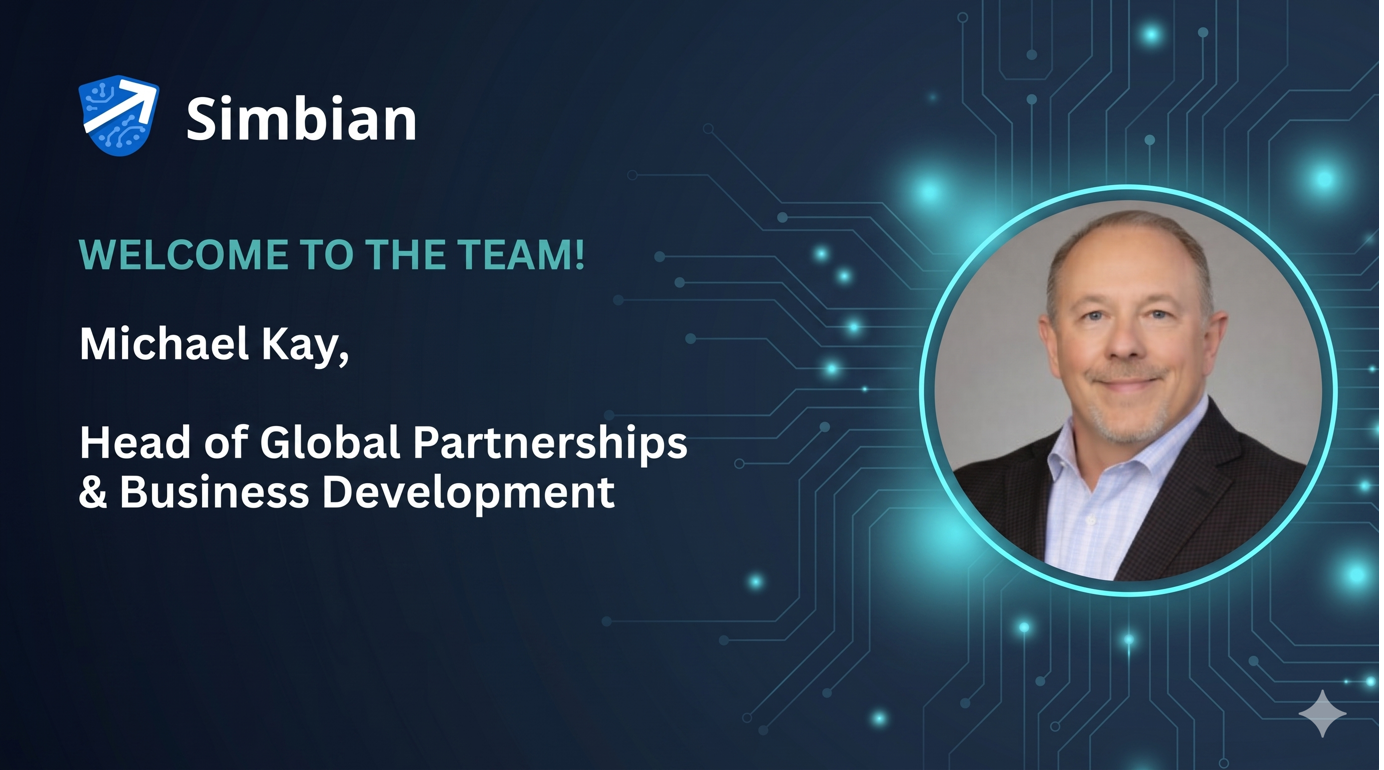
Simbian is pleased to announce Mike Kay as Head of Global Partnerships. Mike will lead initiatives to align enterprise capabilities with critical operational requirements. Currently, organizations cannot resolve security challenges through recruitment alone; they remain encumbered by technical complexity and accelerating threat velocities amidst talent scarcity. Tool proliferation is insufficient. Enterprises require architectures capable of autonomous decision-making at scale.
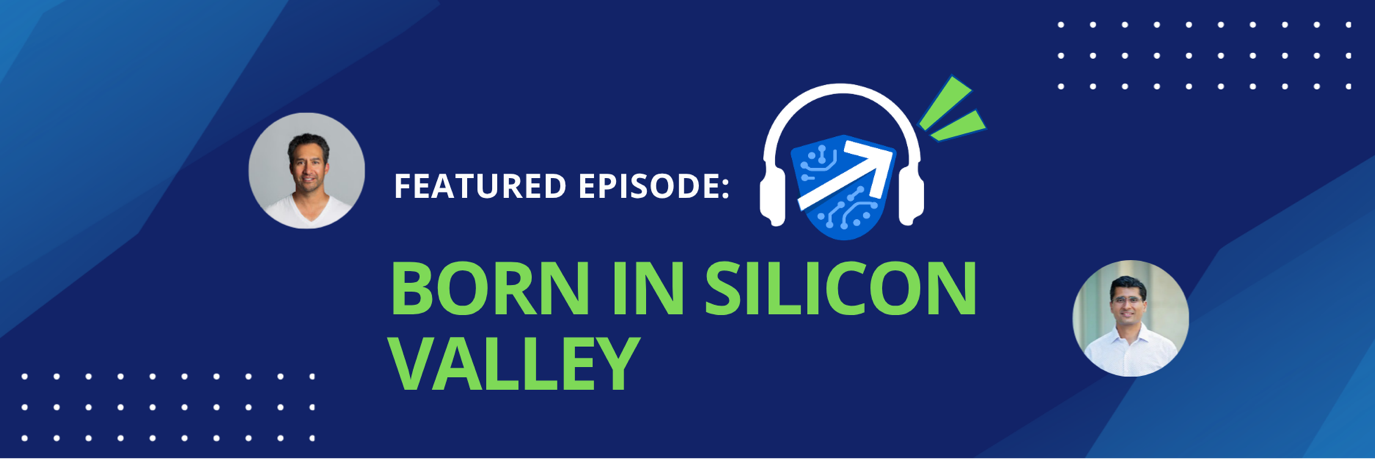
In the latest Born in Silicon Valley episode, CEO Ambuj Kumar outlines an accelerating future outpacing contemporary operational capacity. Autonomous agents transcend mere augmentation, surpassing 95% of human counterparts in live threat-hunting scenarios.
Tracing his trajectory from rural India through NVIDIA and Fortanix, Ambuj addresses talent scarcity and escalating complexity via a novel paradigm: virtual security teams executing at machine velocity.
The Threat Hunt Is No Longer Behind a Paywall
Simbian just published their "AI in SecOps Success Kit"—three hands-on phases from ChatGPT to a production threat hunting agent.
Phase 1: Paste a raw log into Claude. Get analyst-grade reasoning. Phase 2: Wire that into your SIEM webhook. Automate triage. Phase 3: Build your own SQL-writing hunt agent. Watch it work on real APT29 telemetry.
It's reproducible. No magic. No black box. You can start with free tools, scale to production, and own the entire stack.

1. AI SOC – Fact vs Fiction: The Math No Longer Adds Up
Traditional Metrics Are Obsolete
982 daily alerts. 40% remain unaddressed.
Operational saturation isn't a recruitment failure; it's a structural deficit. Manual defense became unsustainable once telemetry volume exceeded cognitive capacity.
Shivang Kalsi (Simbian) clarifies in Cybersecurity Insiders: the AI SOC isn't about staff replacement. It leverages autonomous agents for universal investigation, allowing analysts to focus exclusively on verified threats.
2. Real Lessons from Scaling SOC Operations with AI — Security Today #AI
Architectural Context: Beyond Model Constraints
LLM comparisons are a misguided focus. SOC scalability is an engineering discipline, not a volume metric. Success favors those who prioritize context-aware frameworks over model complexity to resolve operational exceptions.
Strategic methodology outweighs model selection. Environmental context is a foundational data product; AI is a collaborative asset, not a substitute.
Read the 5 lessons—worth your time.
In this on-demand session, Simbian's David Greene and NuSummit experts dismantle the myth of signature-based defense. Learn to shift the paradigm from manual investigation to autonomous, adaptive response—isolating endpoints and blocking IPs at machine velocity. Stop settling for operational paralysis; discover how to automate 80% of repetitive tasks and reduce MTTD by 30%.


Simbian AI, 809 Cuesta Dr Suite B # 104, Mountain View, CA, 94040, United states, +1 650-695-0740
